


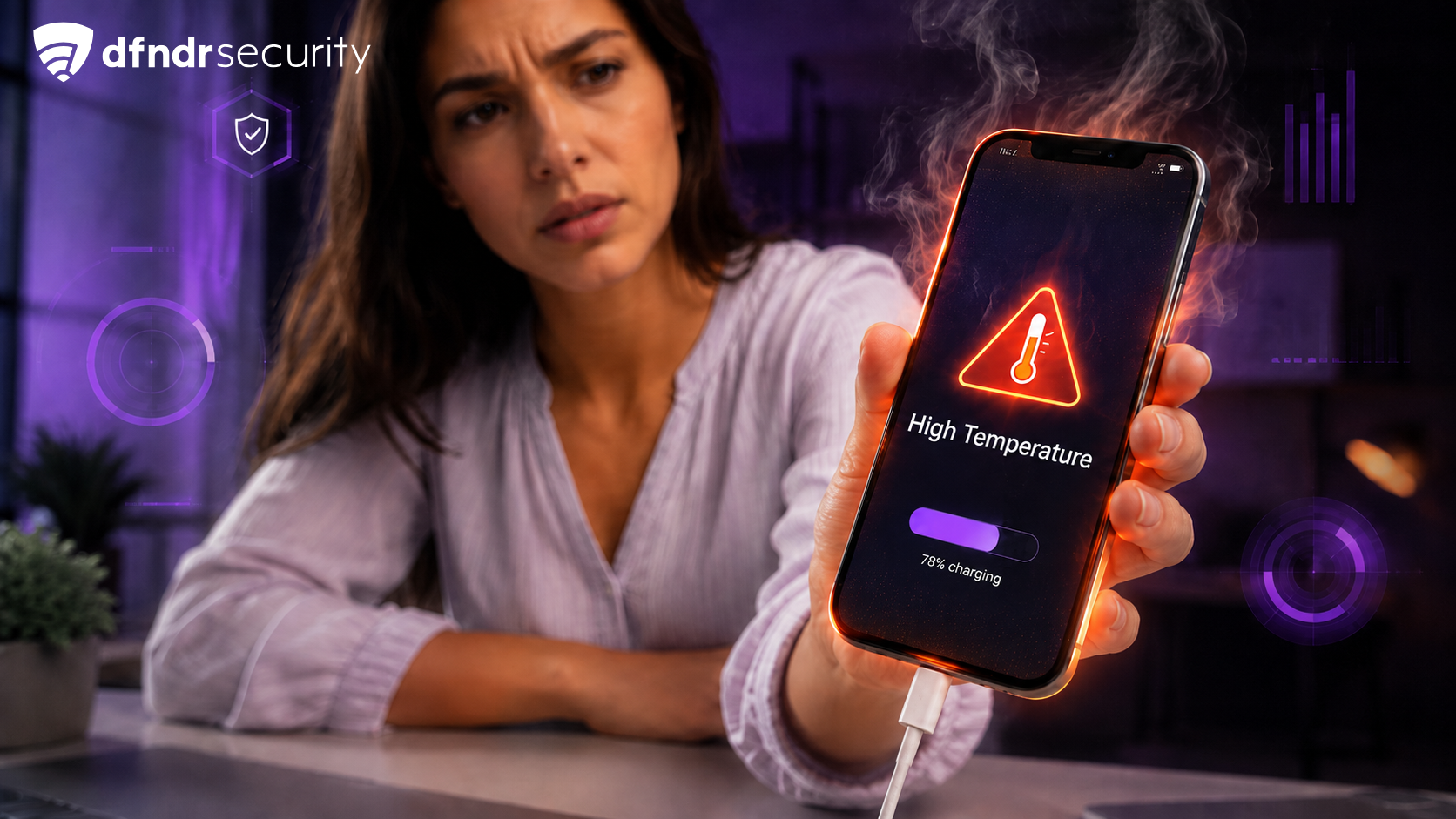
Phone overheating: 8 causes and how to cool it safely
A phone overheating does not always mean something is broken. Gaming, camera use, charging, weak reception, and even a software update can make a device warmer for a […]
A phone overheating does not always mean something is broken. Gaming, camera use, charging, weak reception, and even a software update can make a device warmer for a while. Pay closer attention when the heat starts without demanding use, continues after a break, triggers an on-screen warning, or causes the phone to shut down.
If the phone feels too hot to use, unplug it, stop the activity, and let it cool naturally in a dry, shaded, well-ventilated place. Do not use a refrigerator, freezer, ice, or water. This guide covers eight common causes, the clues that can help you narrow them down, and the signs that call for manufacturer-authorized support.
Is it normal for a phone to get hot?
It can be normal for a phone to feel warm during work that demands more from the processor, display, radios, or battery. Recording video, gaming, navigating with GPS, restoring data, and fast charging are common examples. Guidance from Google, Apple, and device manufacturers explains that a phone may temporarily reduce performance, brightness, camera functions, network activity, or charging speed to manage heat.
There is no single surface temperature that every reader can use to judge every model. Look at the context instead: what the phone was doing, how long the heat lasts, and whether warnings, limitations, or shutdowns appear.
Phone overheating: 8 common causes
1. Gaming, camera use, video, and GPS
Graphics-heavy games, high-resolution recording, streaming, and turn-by-turn navigation can keep several components active at once. The phone may warm up during the task and begin cooling after it ends.
If the heat is uncomfortable, pause the activity, lower the display brightness, and wait before starting again. Avoid opening another demanding app while the phone is still hot.
2. Apps working in the background
Photo syncing, location activity, updates, and a poorly behaving app can consume power even when it is not on screen. After the phone cools, open the battery settings and review which apps used unusual amounts of energy. Menu names vary by manufacturer and Android version.
Update or remove an app you do not recognize. Do not assume heat proves malware is present; unusual power use is a clue, not a diagnosis.
3. Fast or wireless charging and use while plugged in
A battery generates heat while accepting energy, and fast or wireless charging can make that warmth more noticeable. Gaming, video calling, or recording while charging combines two demanding activities.
Use compatible, undamaged charging equipment from a trustworthy source. If the connector, cable, charger, or battery looks damaged, stop using it and follow the device maker’s official support guidance.
4. Direct sunlight and a hot environment
A phone absorbs heat from its surroundings. A parked car, sunny windowsill, beach, tight pocket, or closed bag can make cooling difficult even when the device is not doing heavy work.
Move it into the shade and allow air to circulate. Do not try to offset environmental heat with a sudden temperature change.
5. A case that holds in heat
A well-fitted case protects a phone, but some materials or designs may slow heat dissipation during demanding use. Follow the manufacturer’s guidance. If removing the case is permitted, unplug the phone first and do not handle an internal battery.
6. Setup, updates, restores, and data transfers
After a new-device setup, backup restore, system update, or large file transfer, the phone may continue processing data in the background. The warmth should decrease after that work finishes.
If it remains hot long after completion, wait for it to cool, restart it, and check for pending system or app updates.
7. Weak reception, hotspot use, and heavy data activity
In an area with poor coverage, a phone may use more energy trying to maintain a connection. Hotspot use, long calls, 5G activity, and simultaneous uploads or downloads can also add load.
When practical, move to an area with better reception, turn off the hotspot, and pause large transfers. The goal is to reduce temporary work, not permanently disable useful features.
8. A software, battery, or hardware problem
Heat at rest, repeated shutdowns, or warmth concentrated around damaged charging equipment may point to a problem that settings cannot solve. A swollen battery, unusual odor, smoke, or physical damage calls for immediate caution.
Do not open the phone or attempt to replace an internal battery at home. Use the manufacturer’s official help center or authorized service path.
How to cool down a phone safely
If the device is very hot, use this order:
- Unplug the charger and other cables.
- Pause gaming, camera use, video, navigation, hotspot use, and downloads.
- Move the phone to a dry, shaded, well-ventilated place.
- Follow any temperature warning on the screen; power it off when the manufacturer instructs you to do so.
- Let it cool naturally before charging it or restarting demanding tasks.
After it cools, review battery use, recent apps, software updates, and charging accessories. Change one factor at a time so you can see what affects the behavior.
What not to do when cooling your phone
Do not put the phone in a refrigerator or freezer or apply ice, water, or a wet cloth. Sudden cold and moisture can create condensation and damage. Avoid hair dryers, compressed air, and other aggressive airflow as well.
An app cannot physically remove heat from the device. Built-in thermal controls may already reduce power use while protecting components. Treat any app that promises instant physical cooling with skepticism.
Can phone overheating be caused by malware?
Malware or another unwanted app can contribute to unusual activity, but heat alone does not confirm an infection. Look for other signs, such as an unknown app, unexpected permissions, abnormal battery use, or behavior that persists without a clear workload.
When those signs appear, update the operating system, review installed apps, and use a reputable security scan. If the heat continues, investigate a possible physical issue separately.
When should you seek authorized service?
Use the manufacturer’s official support channel if the phone repeatedly heats up while idle, displays frequent warnings, shuts down, fails to charge normally, or shows a swollen battery, odor, smoke, physical damage, or a compromised accessory. Stop using the device while seeking guidance when there is a physical sign of battery damage.
The most useful next step is to note exactly when the heat begins. That clue helps separate temporary workload, charging equipment, environmental heat, and a persistent fault without resorting to a risky quick fix.
Sources
- Google: Help keep your Pixel phone from feeling too warm or hot
- Google: Check and understand your Pixel’s temperature
- Apple: If your iPhone or iPad gets too hot or too cold