


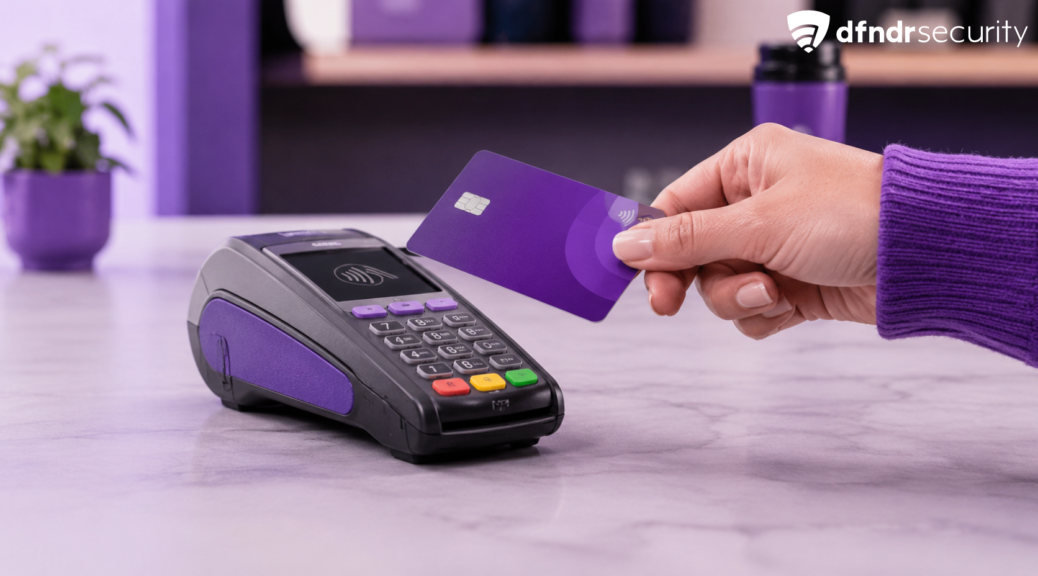
Can Tap-to-Pay Cards Be Cloned? Myth or Real Risk?
Can someone clone your card just by standing near your bag? Could you lose money without noticing simply because your card was in your pocket? Or is tap-to-pay […]
Can someone clone your card just by standing near your bag? Could you lose money without noticing simply because your card was in your pocket? Or is tap-to-pay card cloning more fear than reality?
These questions come up because contactless payments have become part of everyday life. In the U.S., tapping a card, phone, or smartwatch at checkout is now normal at grocery stores, coffee shops, bars, stadiums, and transit systems.
Here’s the bottom line: the risk exists, but it usually does not work the way many people imagine. The bigger threat is not someone secretly capturing every detail of your card from a distance. It is scams involving tampered card terminals, altered amounts, distracted payments, or attempts to make you insert your card into a compromised machine.
Why Tap-to-Pay Card Cloning Causes So Much Confusion
The idea feels scary because it sounds simple: if your card can pay without a PIN for some purchases, then anyone with a card reader could walk up and charge you without you noticing.
In practice, it is not that easy. The terminal needs to be active, the charge needs to be processed, and the transaction leaves a record. That does not mean scams do not happen. It means the problem usually depends on a real payment situation or on manipulating the victim.
The key is separating rumor from real risk. The fear that someone can clone your card inside your backpack is different from the risk of paying at a suspicious card terminal without checking the amount first.
Where the Scam Can Actually Happen
This type of scam tends to show up when people are rushed: parties, bars, street vendors, concerts, lines, festivals, and crowded venues. You tap your card without looking closely, do not check the screen, or agree to repeat the payment after a supposed error.
In the U.S., this matters even more because many people are used to inserting or tapping their card directly into payment terminals. That habit is convenient, but it can also make you move too fast when the terminal looks damaged, the screen is hard to read, or the person handling the payment is pressuring you.
Law enforcement and consumer protection alerts have warned about fraud involving compromised payment devices or fake errors that push victims to insert a card instead of tapping, increasing the risk of data capture.
Consumer protection guidance also recommends checking whether the terminal screen is working and whether the amount entered is correct before you insert, tap, or approve a payment. If you do not feel comfortable, you can turn off contactless payments through your bank or card app when that option is available.
Read more: SIM Swap Scams: The Warning Signs That Show Up Before You Lose Your Number
Before You Tap Your Card, Ask Yourself
First question: is the amount shown on the terminal exactly the amount of the purchase? If the screen is off, broken, covered, or too far away to check, do not tap.
Second: did the terminal leave your sight or show a strange error? Scammers can use urgency to make you repeat a purchase or insert your card without thinking.
Third: is someone trying to rush your decision? Pressure, long lines, loud music, and crowded spaces are perfect for lowering your attention.
What to Do If You See an Unknown Charge
If you notice a purchase you do not recognize, act fast. Contact your bank or card issuer immediately through official channels, report what happened, request that the card be blocked, and dispute the unauthorized charge. It is also smart to file a police report with the amount, date, merchant name, and any receipts or screenshots you have.
You should also monitor your statement for the next few days, review your card limits, turn on real-time purchase alerts, and change your banking app password if you suspect unauthorized access.
How to Protect Yourself Every Day
Check the amount entered on the card terminal, look at the receipt, and make sure the card returned to you is actually yours.
Turn on bank alerts for every purchase. That way, any strange transaction appears on your phone almost immediately.
Set lower limits for contactless payments when your bank allows it. For larger purchases, insert your card or use another verification method only after checking the screen.
Avoid handing your card to someone else. When possible, ask to tap or insert it yourself.
Keep your card in a safe place and, if you prefer, disable tap-to-pay through your bank’s app.
Verdict: Myth or Truth?
Verdict: it is a myth that tap-to-pay card cloning happens easily just because someone walked near you. But it is true that scams involving contactless payments exist, especially when card terminals are tampered with, amounts are changed, or the victim is distracted.
Your best defense is paying attention at the exact moment you pay. And if you want more security in your digital life overall, download dfndr security and strengthen your phone protection in a simple, preventive way.