

CIA Cyberattack: U.S. Intelligence Agencies Suffer Data Breach, Reports Say
The CIA cyberattack reported on November 24, 2026, has raised new concerns about the digital security of U.S. government institutions. The Central Intelligence Agency (CIA) and the Office […]
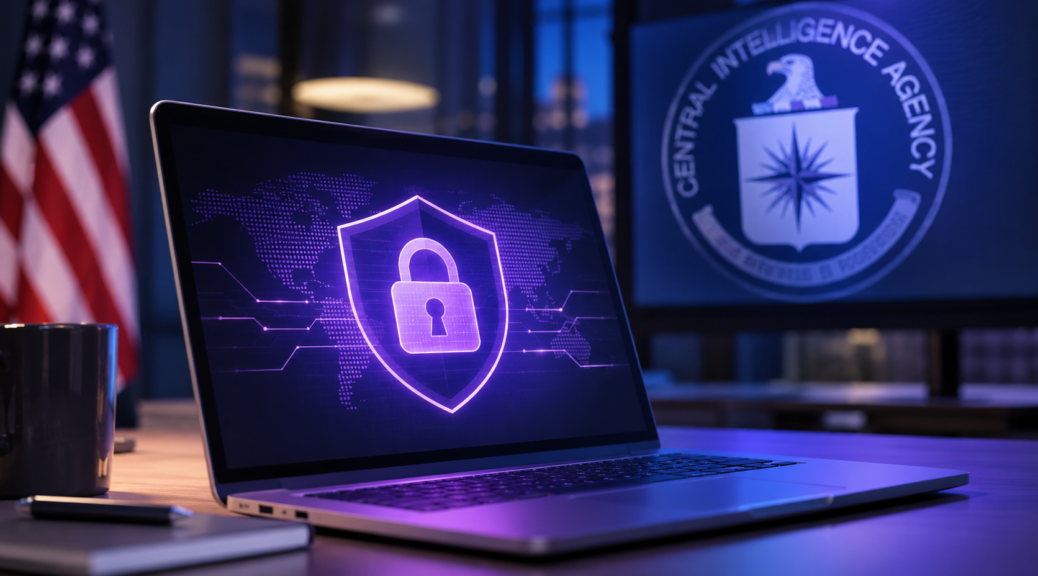
The CIA cyberattack reported on November 24, 2026, has raised new concerns about the digital security of U.S. government institutions. The Central Intelligence Agency (CIA) and the Office of the Director of National Intelligence (ODNI) reportedly discovered a cybersecurity breach involving unclassified information.
Although classified systems were reportedly unaffected, the incident highlights how even non-secret information can become valuable when collected and analyzed by intelligence organizations.
But what exactly happened, what information may have been exposed, and what can this incident teach us about cybersecurity?
What happened in the CIA cyberattack?
According to Reuters, citing initial reporting by The New York Times, unauthorized access affected a network used by U.S. intelligence agencies to analyze publicly available information.
The compromised environment was designed to help intelligence professionals identify relevant information from unclassified sources.
Reports also suggest that information belonging to other government agencies may have been exposed. However, the exact extent of the incident has not been publicly established.
As of November 25, investigators had not publicly identified the attackers or disclosed a definitive explanation of how the intrusion occurred.
The distinction between confirmed information and ongoing speculation is particularly important when evaluating incidents involving national security.
What information may have been compromised?
The affected network supports a practice known as open-source intelligence, commonly referred to as OSINT.
This approach involves collecting and analyzing publicly accessible or commercially available information to identify patterns, monitor developments, and support investigations.
Common sources of open-source intelligence include:
- Social media publications and online discussions.
- News reports and public government documents.
- Commercial databases and public records.
- Satellite imagery and geographic information.
- Publicly accessible websites and digital content.
Although much of this information is publicly available, the way it is organized can reveal important connections.
For intelligence agencies, analytical findings and research priorities may be sensitive even when the original information is not classified.
However, authorities have not publicly disclosed which specific records were accessed during this incident or whether attackers obtained analytical findings.
Were classified CIA documents exposed?
One of the most important details surrounding the CIA cyberattack is that classified government systems were reportedly unaffected.
According to Nextgov/FCW’s coverage of the intelligence system breach, sources familiar with the incident indicated that the affected network was unclassified and that the disruption had been resolved.
Nevertheless, the full scope of the exposure remains uncertain.
The available information does not establish that confidential government documents, classified intelligence, or national security secrets were stolen.
Restoring a compromised system and determining the complete impact of an intrusion are also separate processes. An organization may resume operations while continuing to investigate what happened.
Why unclassified information can still be valuable
A common misconception about cybersecurity is that only highly confidential information needs protection.
In reality, seemingly ordinary information can become sensitive when combined with other records.
For example, names, email addresses, professional connections, and publicly available organizational details can help criminals create convincing impersonation attempts.
For government institutions, the collection and organization of public information may reveal research interests or operational priorities.
For everyday internet users, similar information could be misused to personalize phishing messages, impersonate trusted organizations, or create fraudulent account notifications.
These are general cybersecurity risks, not confirmed consequences of the CIA breach.
How cybercriminals can exploit major security incidents
High-profile cybersecurity incidents can become opportunities for scammers to exploit public curiosity and concern.
Fraudulent messages may claim to provide access to leaked documents, reveal compromised accounts, or offer tools for checking whether personal information was exposed.
These messages could contain malicious links or lead to websites designed to collect sensitive information.
As explained in the PSafe article Google Messages Flagged a Text as Suspicious? Here’s What to Do, unexpected messages and security warnings should encourage users to verify requests before interacting with unfamiliar links.
There is currently no indication in the cited reporting that this incident exposed ordinary consumers’ personal information.
How to strengthen your digital security
Even when a cyberattack targets government institutions, everyday security habits remain important.
To reduce your exposure to common digital threats:
- Create strong, unique passwords for your online accounts.
- Enable two-factor authentication whenever available.
- Keep your operating system and applications updated.
- Avoid opening unexpected links or downloading unfamiliar files.
- Verify security alerts through official websites and applications.
- Use dfndr security to help identify potentially malicious links.
If you encounter a website claiming to offer access to information exposed in the CIA cyberattack, avoid submitting personal details or downloading unknown documents.
Follow updates from reliable news organizations and official government channels instead of trusting unsolicited messages or unverified social media posts.
Keep reading
- https://www.psafe.com/en/blog/malicious-links-what-they-are-and-how-to-protect-yourself/
- https://www.psafe.com/en/blog/5-trending-digital-scams-how-ai-is-making-fraud-more-dangerous/
- https://www.psafe.com/en/blog/fake-login-page-test/