

World Cup 2026 Streams: How to Tell Safe Links from Dangerous Ones
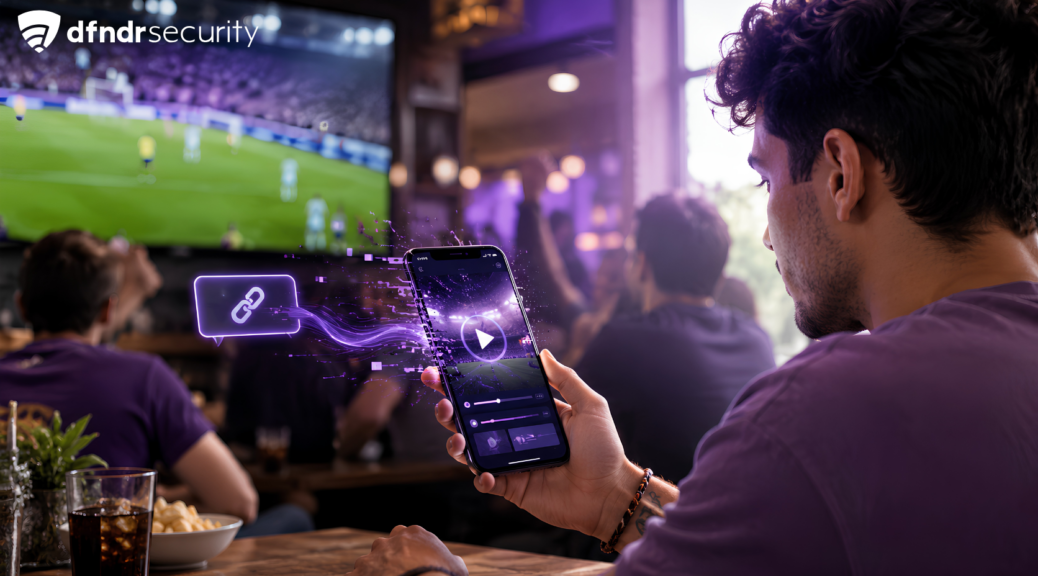
Kickoff is minutes away. You search for a 2026 World Cup stream and receive a link in a group text promising free access and high-definition video. It looks […]
Kickoff is minutes away. You search for a 2026 World Cup stream and receive a link in a group text promising free access and high-definition video. It looks legitimate—but is it safe to open?
During major events, fake websites can take advantage of fans in a hurry to steal passwords, collect payment information, or trick people into installing dangerous apps. Before you hit play, you need to check where the link came from and who is actually providing the broadcast.
Why Fake Links Appear During the 2026 World Cup
The 2026 FIFA World Cup features 48 national teams and 104 matches played across Canada, Mexico, and the United States. The size of the tournament and the intense public interest create the perfect environment for websites promising quick access to games.
These links can appear in social media comments, advertisements, group texts, and search results. Some pages copy the logos, colors, and names of well-known networks to make themselves look official.
The risk goes beyond watching an unauthorized stream. A website may ask you to sign in with an email account, enter credit card information to unlock a supposed free trial, or interact with ads that attempt to install files on your phone.
Where to Find Safe 2026 World Cup Streaming Links
The safest place to start is with the official networks covering the tournament. In the United States, FOX Sports provides English-language coverage of all 104 matches. Spanish-language coverage is available through Telemundo and Universo, with matches also streaming through Peacock and the Telemundo app.
Instead of searching only for “watch the game free,” look for the official website, app, or verified social media account of the company carrying the match. Access the platform by typing its known address directly or opening an app installed through an official app store.
You should also check the schedule published by the network itself. A page claiming to stream a match that does not appear on the official broadcast schedule should immediately raise suspicion.
How to Recognize Safe Links Before You Click
Read the complete domain name—the main part of the website address. A fake page may change a single letter, add numbers, or include words such as “official,” “live,” and “free” to imitate a legitimate service.
The padlock icon in your browser does not guarantee that a website is trustworthy. It only means the connection uses encryption. Criminals can also create encrypted websites.
Before opening an address received by text message, the Dangerous Link Detector in dfndr security can analyze it and warn you about potential threats. The feature provides an additional layer of protection, but you should still verify the domain and the source of the broadcast.
Browsers such as Chrome also include built-in protection against suspicious websites. The Google Safe Browsing feature checks websites and downloads in real time and may display a warning before you open something dangerous. Make sure it is enabled in your browser settings.
Warning Signs of a Dangerous Stream
Be suspicious if a page requires you to install an APK from outside Google Play, enter your Google Account password, or provide banking information before showing the video.
Tabs that open automatically, ads that are difficult to close, and requests to allow notifications are also warning signs. Urgency is often part of the strategy. Messages such as “access available for two minutes” are designed to stop you from examining the website carefully.
Promises of maximum video quality, no ads, or exclusive access do not prove that a stream is legitimate. Confirmation must come from the official channels of the company that owns the broadcasting rights.
Watching the World Cup on Public Wi-Fi Requires Extra Caution
In addition to checking the streaming address, consider the network you are using to access it. During trips, gatherings, and public events, you may connect to Wi-Fi at airports, hotels, bars, or other public spaces.
Open or fake networks can expose your browsing activity to different risks, especially when you visit poorly protected pages or enter passwords and personal information. Learn what public Wi-Fi can see on your phone during the World Cup and what precautions to take before connecting.
What to Do After Opening a Suspicious Link
If the page opened but you did not enter any information or install any files, close it and do not accept notifications or permissions. Delete anything that downloaded automatically and run a security scan on your device.
If you entered a password, change it directly through the official app or website. Sign out of any sessions you do not recognize and enable two-factor authentication. When you use the same password for other services, change it on those accounts as well.
If you provided banking information, contact your financial institution through its official channels and monitor your transactions. Do not return to the suspicious website to try to cancel an account or charge.